

Proudly Serving Masbateño and Tourist Around the World
ARANGKADA
City of Masbate
Don’t Miss
Must-See Events, Places and Gatherings in the City of Masbate
Be part of the city’s vibrant life. Check out family fun days, educational workshops, farmers markets, and more—all in one place.
Culture
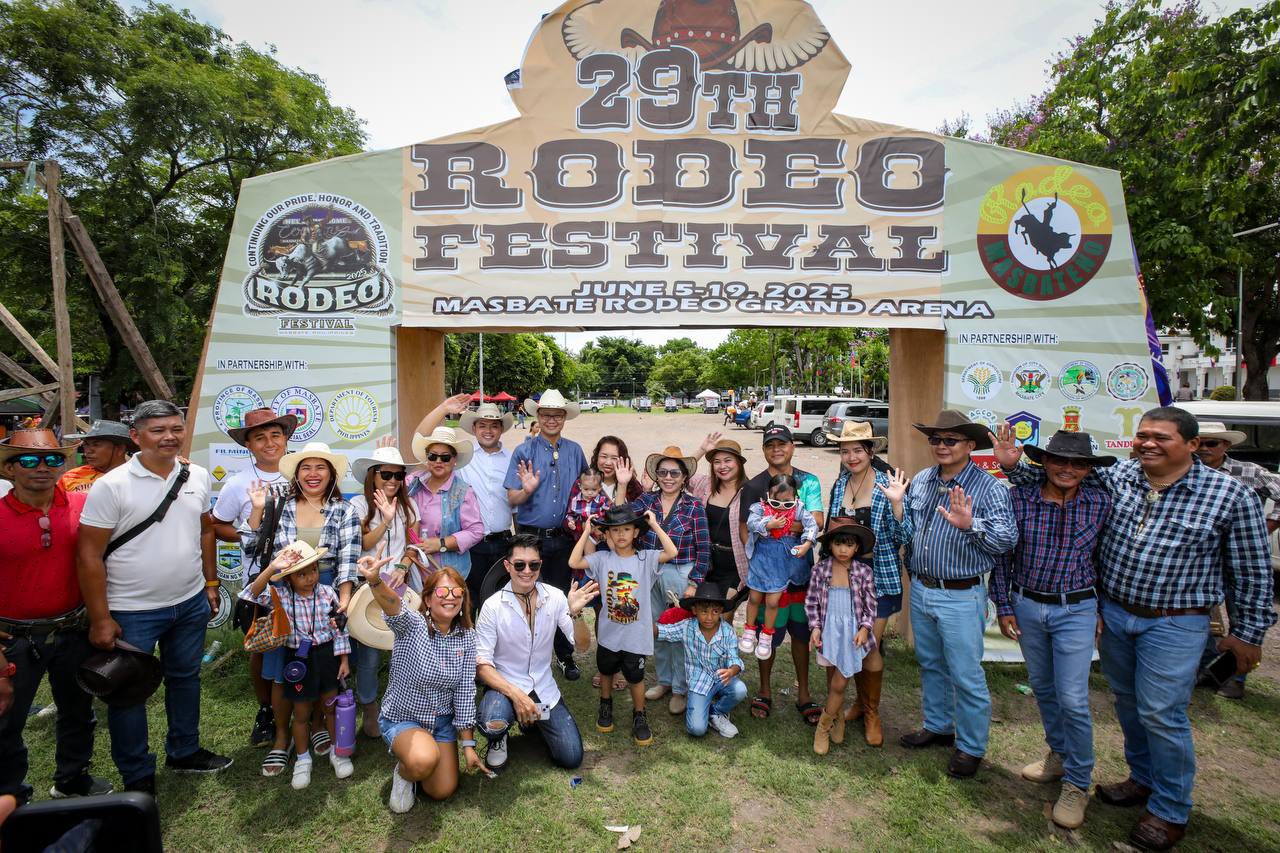
RODEO MASBATEÑO 2025
15
April
5:00 pm – 9:00 pm
Rodeo Masbate Arena
Agriculture
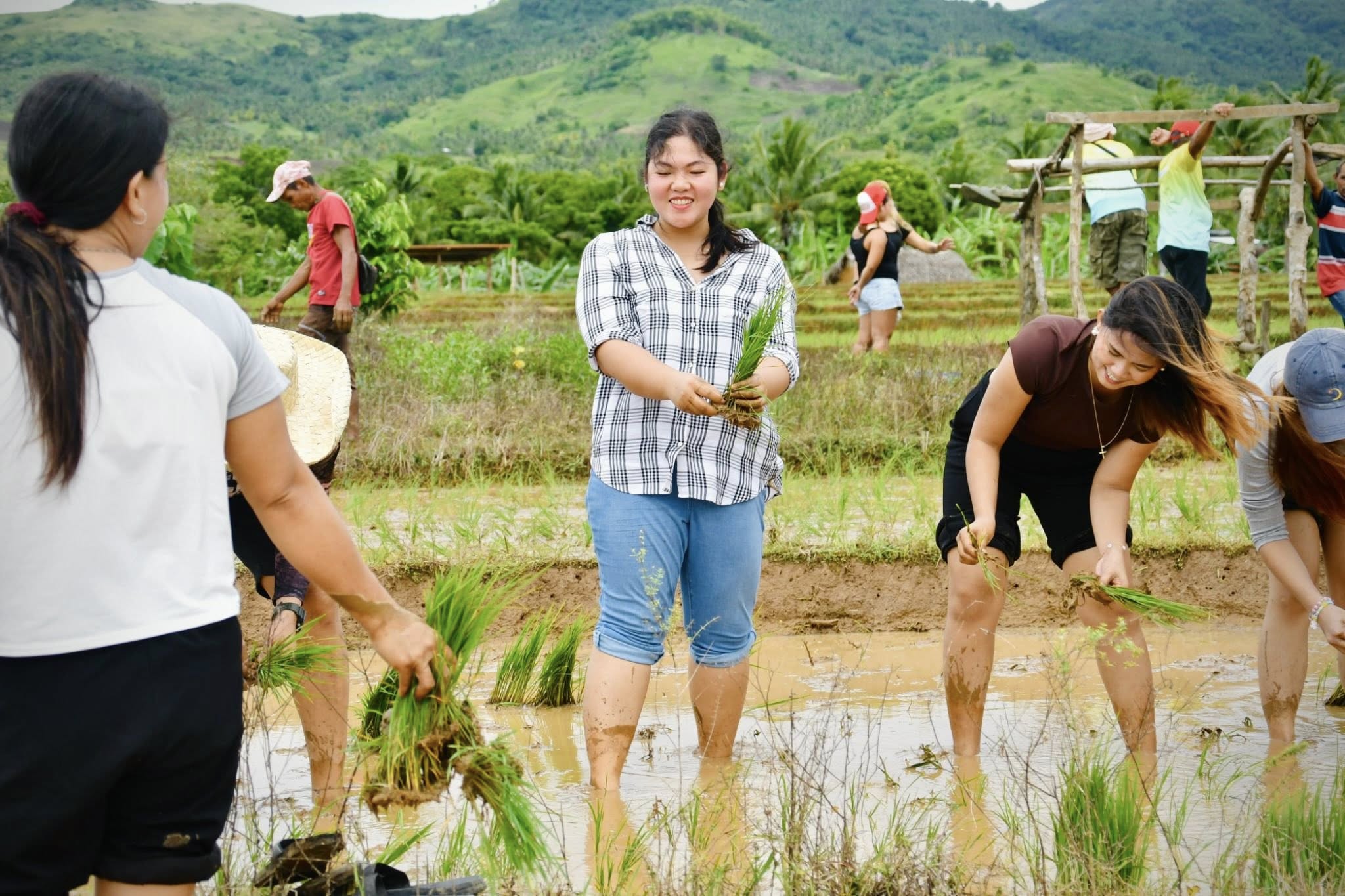
Support to Farmers and Fisher Folks
20
July
9:00 am – 10:00 am
at Brgy. Igang
Farm to Market
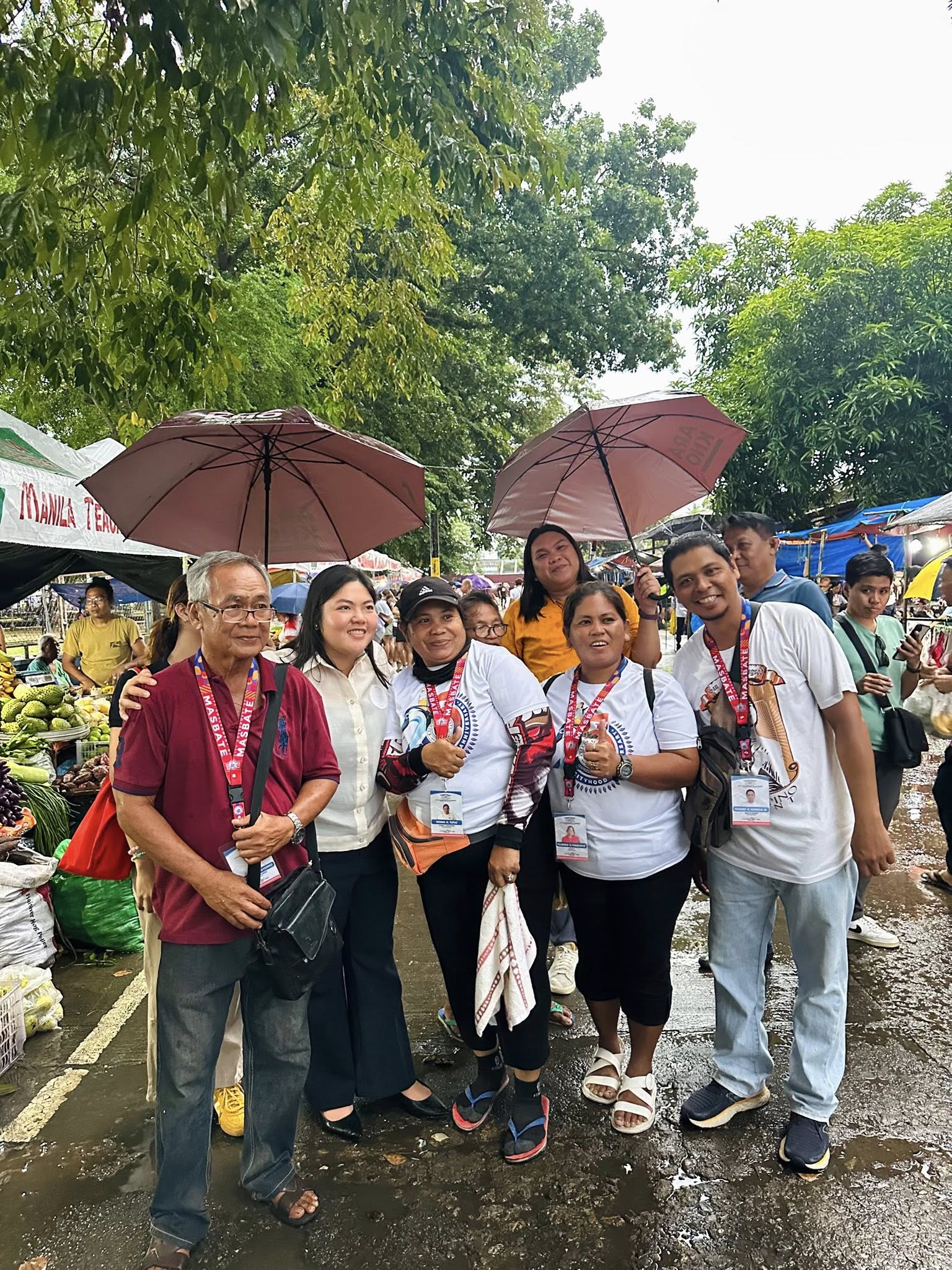
Saudan sa Ciudad
05
September
9:00 am – 10:00 am
Brgy. Kalipay
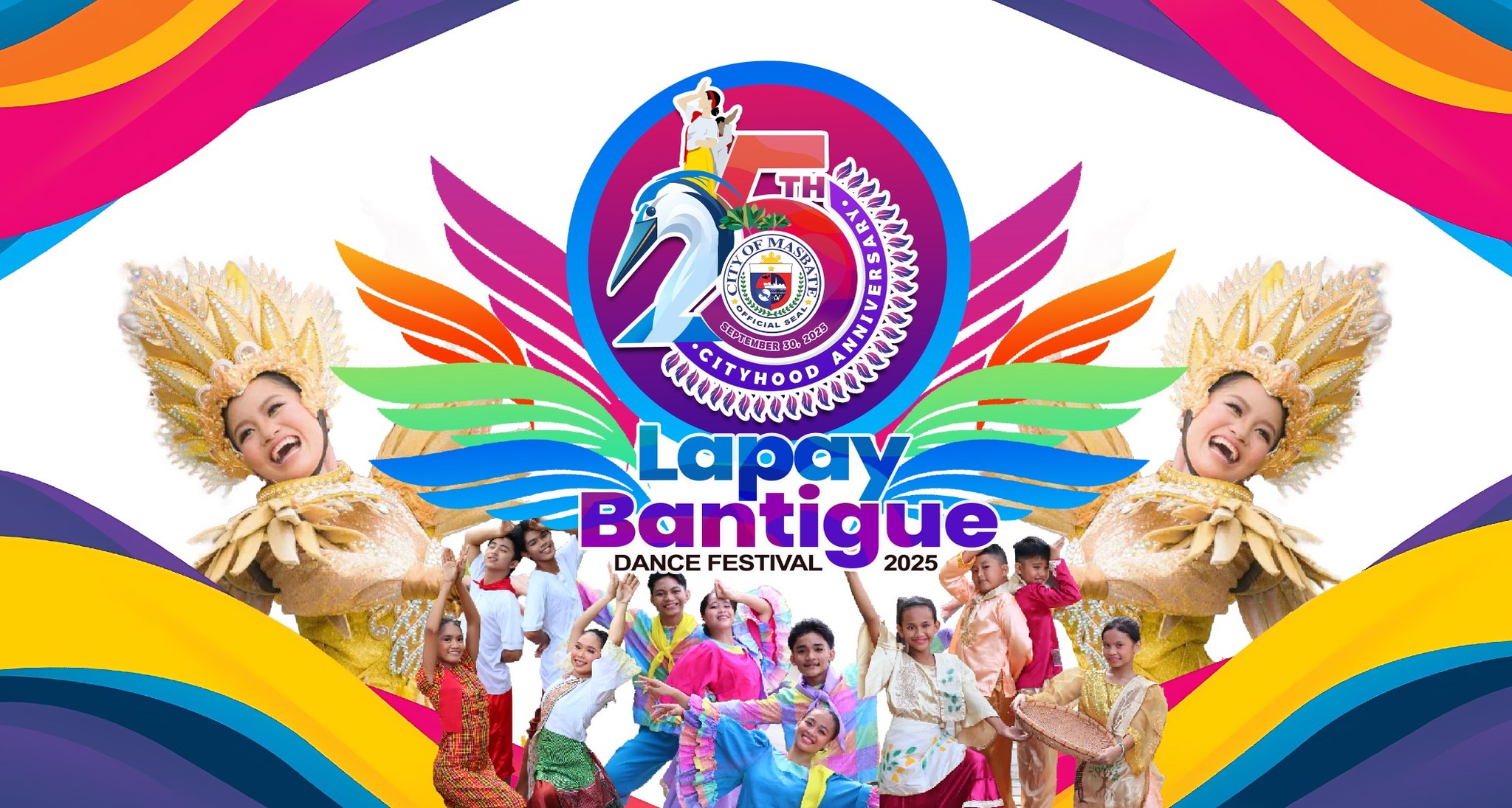
Festival
Lapay Bantigue Dance Festival
25
September
8:00 pm – 12:00 pm
City of Masbate
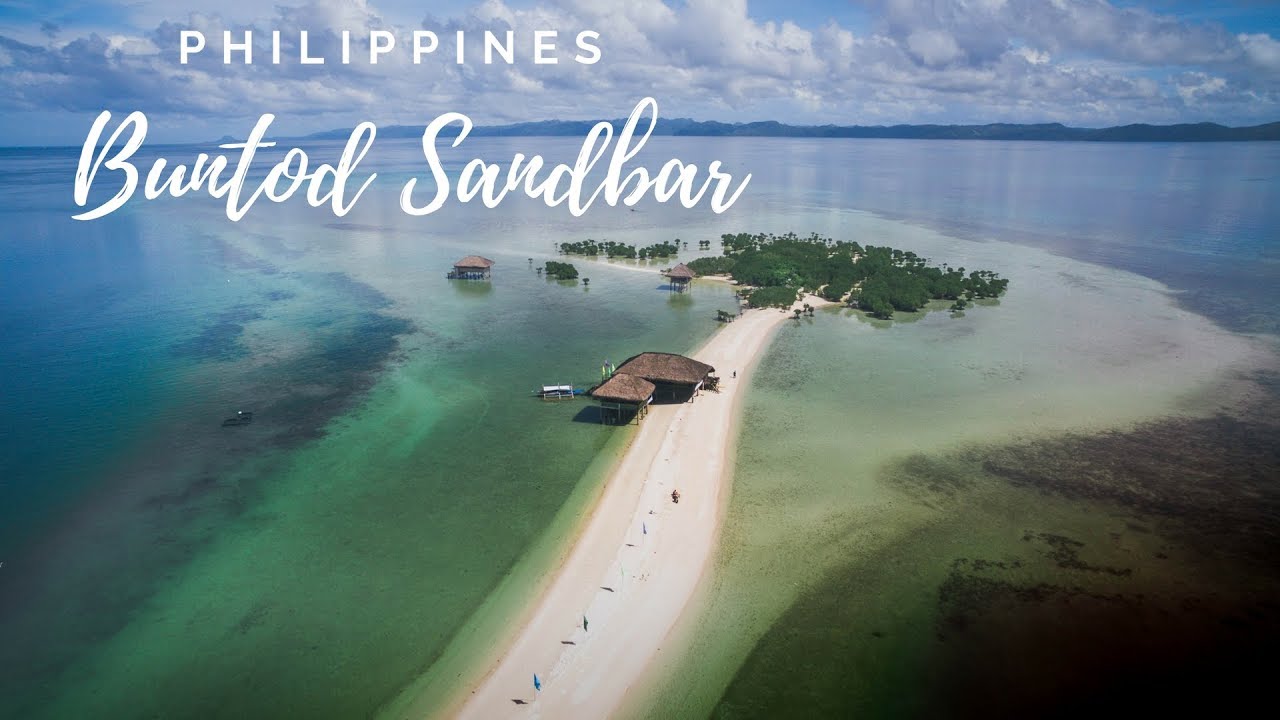
Nature
Buntod Marine Sanctuary
3
November
4:00 pm – 8:00 pm
Brgy. Tugbo
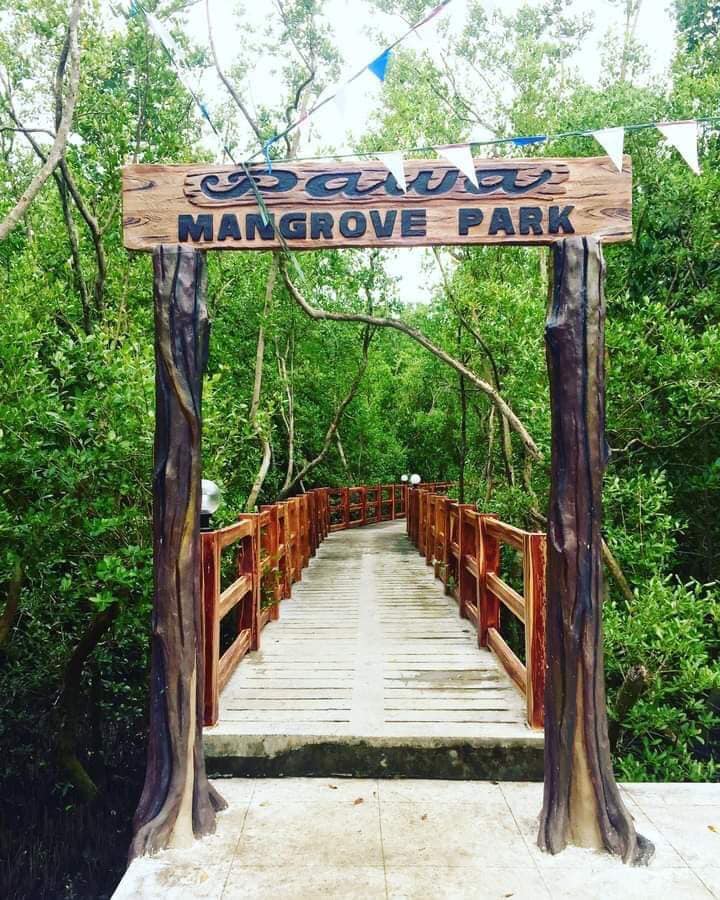
Cleanup
PAWA Mangrove Park
10
November
9:00 am – 10:00 am
at Brgy. Pawa
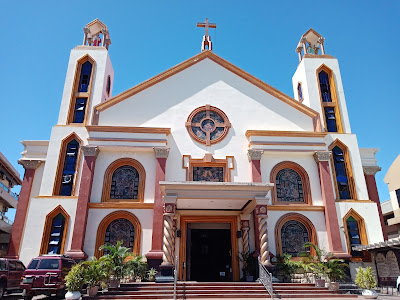
Religion
ST. ANTHONY DE PADUA CATHEDRAL
10
November
9:00 am – 10:00 am
at Quezon St. Brgy. Bapor
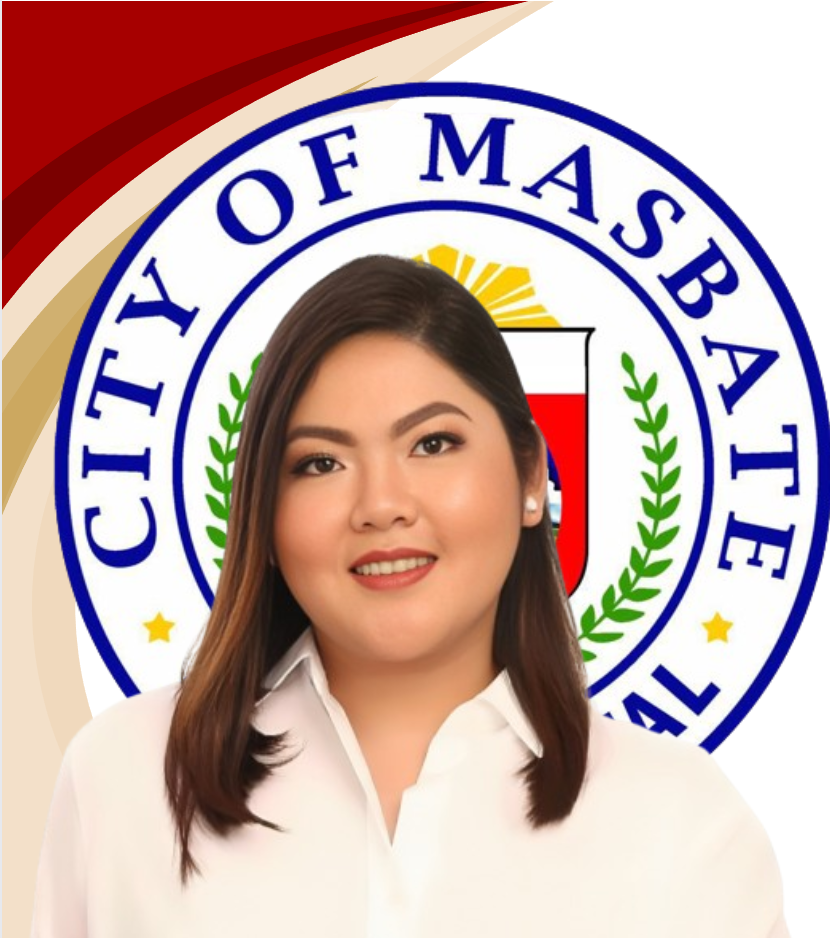
City Mayor
ATTY. OLGA “ARA” T. KHO
My dear Ciudadanos,
Despite the challenges we face, our administration remains committed to fulfilling our promise to upgrade and transform the City of Masbate. With unity, hard work, and faith, we continue to improve our services and build a city that every Masbateño can be proud of.
Together, let us keep moving forward and make Masbate truly great.

Phone
(056) 520-078

lgumasbatecity@gmail.com

104,522
Population

30
Barangays

22,357
Household Population

44,664
Children Population

3rd Class
Income Classification

188 km²
Land Area
History
The City of Masbate, capital of Masbate Province, began as a pre-colonial trading settlement visited by traders from China and Southeast Asia. The Spanish arrived in the late 1500s, developing Masbate into a Christianized coastal town and an early center for cattle ranching. Frequent Moro raids shaped much of its early colonial history.
Under American rule (1901), Masbate became the provincial capital and saw improvements in infrastructure and the ranching industry. The city was occupied by Japanese forces during World War II and liberated in 1945.
After the war, Masbate grew as the province’s main hub for fishing, ranching, and mining. It became a city on August 18, 1995, and is now known for the annual Rodeo Masbateño Festival and its central role in the province’s economy and culture.
The Municipality of Masbate officially became the City of Masbate by Republic Act No. 8807, which was signed on August 16, 2000.
It was then proclaimed a city after a plebiscite, and on September 30, 2000, the Commission on Elections formally declared Masbate as a component city.
Mission:
“Improve Masbateño’s quality of life through sustained and inclusive socio-economic development.”
Vision:
“By 2030, a vibrant Masbate City: The country’s marine sanctuary with disciplined and empowered Masbateños living in a socio-ecologically balanced and disaster resilient environment governed by proactive and accountable leaders.”
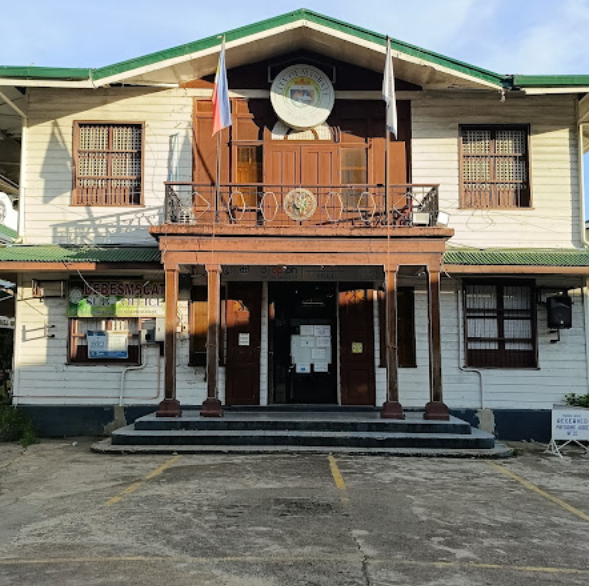
City Hall Compound, Brgy. Kalipay, City of Masbate, Masbate City,
The City of Masbate, the capital of Masbate Province in the Bicol Region in the Philippines, is a coastal urban center known as the “Heart of the Philippines” or “City of Heart” due to its central location in the archipelago. It serves as the province’s commercial and transportation hub, with an economy driven by fishing, agriculture, and a strong cattle industry that supports the famous Rodeo Masbateño Festival held every April. The city showcases a blend of Bicolano, Visayan, and Masbateño culture and features notable attractions such as the Buntod Reef Marine Sanctuary, scenic hillsides, and historic landmarks, making it both a cultural and eco-tourism destination.